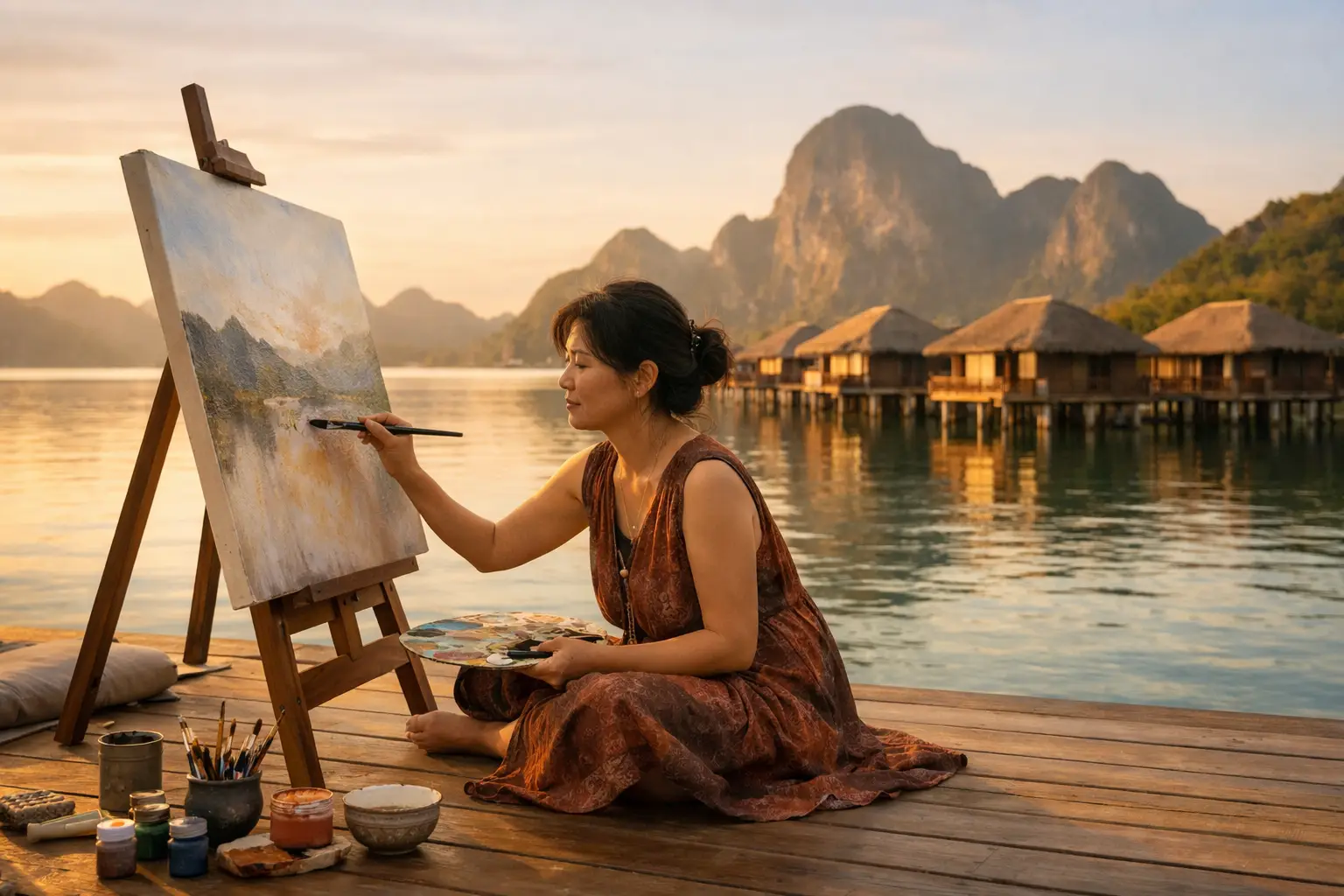
A beautiful setting can calm your mind, but scenery alone does not reset your health. The best scenic wellness destinations Asia offers combine natural restoration with structure – guided nutrition, digestive support, movement, rest, and expert care that help you return home feeling different, not just briefly relaxed.
For busy professionals and health-conscious retirees, that difference matters. A retreat should do more than give you ocean views or mountain air. It should help revitalize your body, support your gut, improve energy, and create a realistic starting point for healthier habits. That is where destination choice becomes important.
What makes scenic wellness destinations Asia worth considering?
Asia is rich in retreat settings that naturally support recovery. Tropical coastlines encourage slower breathing and deeper sleep. Rainforest environments reduce sensory overload. Cooler highland regions can feel mentally clarifying, especially for guests coming from dense urban routines. But the destination itself is only part of the equation.
A strong wellness retreat pairs scenic surroundings with a clear health framework. That may include detox-focused meals, probiotic and enzyme drinks, light fitness sessions, guided recovery practices, and education around digestive rest and immunity. Without that structure, even a luxurious stay can feel vague. You may rest, but not necessarily reset.
This is why travelers are becoming more selective about scenic wellness destinations Asia promotes. They are not only asking where to go. They are asking what result they can expect after four or five days away.
Phuket: coastal recovery with real momentum
Phuket remains one of the most appealing destination choices for people who want a wellness break that feels restorative from the first day. The sea views, warm climate, and easy rhythm of island life create immediate mental distance from work stress. For many guests, that change in environment is enough to improve sleep quality within the first couple of nights.
What makes Phuket stronger as a wellness base is its balance. It can support gentle detox, guided movement, and digestive recovery without feeling too remote or difficult to access. This matters for people who cannot afford a long travel recovery window before their retreat even begins.
In the broader market, Phuket has everything from luxury spa resorts to bootcamp-style fitness programs. The trade-off is that not all of them are designed for sustainable health transformation. Some focus heavily on aesthetics or intense exercise, which may not suit guests dealing with fatigue, bloating, poor digestion, or burnout. A structured reset tends to work better when the goal is internal recovery rather than performance alone.
Sabah: nature-led wellness with deeper calm
If your idea of restoration includes cleaner air, greener surroundings, and a stronger sense of separation from daily pressure, Sabah stands out. The region offers a slower, more grounded atmosphere than many mainstream resort destinations. For guests who feel overstimulated, Sabah can be especially effective because the environment itself encourages decompression.
This is one of the scenic wellness destinations Asia travelers often underestimate. Sabah is not only visually impressive. It also suits wellness programming centered on restoration, immunity support, and moderate activity. Gentle hikes, mindful movement, and scheduled health practices feel more natural in a setting where the pace is already softened.
Sabah may be a better fit than a busier island destination if you want space to think clearly, regulate stress, and step out of a high-alert state. The main trade-off is access. Depending on where you are traveling from, it may require more planning than a short regional beach break. Still, for many guests, that extra effort supports a stronger mental reset.
Seremban: practical, efficient, and ideal for short-format retreats
Not every wellness traveler wants to fly to a resort island. Some want a guided health intervention that is closer, simpler, and easier to fit into a tight schedule. That is where Seremban becomes compelling. It may not have the glamour of a major beach destination, but it offers something many people need more – efficiency.
For short-format retreats, Seremban works well because it reduces travel friction. Less time in transit means more time focused on the actual reset: nutrition, gut support, movement, rest, and education. For professionals trying to protect a long weekend or retirees who prefer a more accessible journey, this matters.
Compared with leisure-led wellness stays, a structured retreat in a destination like Seremban can feel more purposeful. You are not distracted by sightseeing pressure or the feeling that you should be doing more. The environment supports the program, rather than competing with it.
How to choose scenic wellness destinations Asia for your needs
The right retreat is not always the most famous one. It is the one aligned with your current health status, your time limits, and the result you want.
If your main issue is stress overload, choose a destination that creates distance from noise and decision fatigue. Sabah may suit that better than a highly active resort zone. If you want a shorter break with maximum efficiency, Seremban can be the smarter choice. If you need a blend of scenic escape and practical accessibility, Phuket is often a strong middle ground.
You should also look closely at program design. A retreat that promises detox but offers little more than juice and spa treatments may leave you undernourished or disappointed. On the other hand, an overly intense program can be too aggressive for guests who need digestive rest and gentle recovery. The best outcomes usually come from a measured approach – functional nutrition, supervised routines, manageable movement, and enough rest to allow your body to respond.
Scenic wellness retreats versus regular spa vacations
This distinction matters more than many travelers realize. A spa vacation can be enjoyable and still do very little for your long-term health. Massages, beautiful rooms, and healthy-looking menus are appealing, but they do not automatically create change.
A wellness retreat with real value gives you direction. It shows you how to reduce inflammatory habits, improve digestive rhythm, support your immune system, and reconnect with your body in a way that feels sustainable after the trip. That is especially valuable for people who know they need a reset but do not want to build a plan from scratch.
Some programs in the market focus mainly on pampering. Others lean too heavily into restriction. A well-designed retreat sits in the middle. It should feel restorative, but still outcome-driven.
What a better retreat experience should include
When comparing options, look beyond the room photos. Ask whether the retreat includes practitioner-led guidance, structured meal planning, digestive support, daily movement, and education you can actually use at home. Those details matter more than decorative wellness language.
This is where a guided model stands apart. Wellness Retreat Asia, for example, is built around short-format resets that support detoxification, gut health, immunity, and restoration in destination settings such as Sabah, Seremban, and Phuket. That structure is often more useful than open-ended wellness travel because it gives guests a defined experience with measurable focus.
Community can also improve results. A supportive wellness environment helps guests stay engaged, especially when they are stepping away from unhealthy routines for the first time. For those interested in wellness-focused communities and updates, iB Wellness Hub can be a useful reference point alongside destination research.
The real appeal of scenic wellness destinations Asia
The scenery is what draws attention first. The real value is what happens when that environment is paired with the right health support. You breathe better, eat better, sleep more deeply, move with intention, and finally give your system a break from constant demand.
That is why scenic wellness destinations Asia continue to attract travelers who want more than a pretty getaway. When chosen well, the destination becomes part of the treatment – not as a luxury extra, but as a practical tool for recovery.
If you are planning your next reset, start by asking a simple question: do you want a place that only looks restorative, or one that helps transform your health while you are there?