
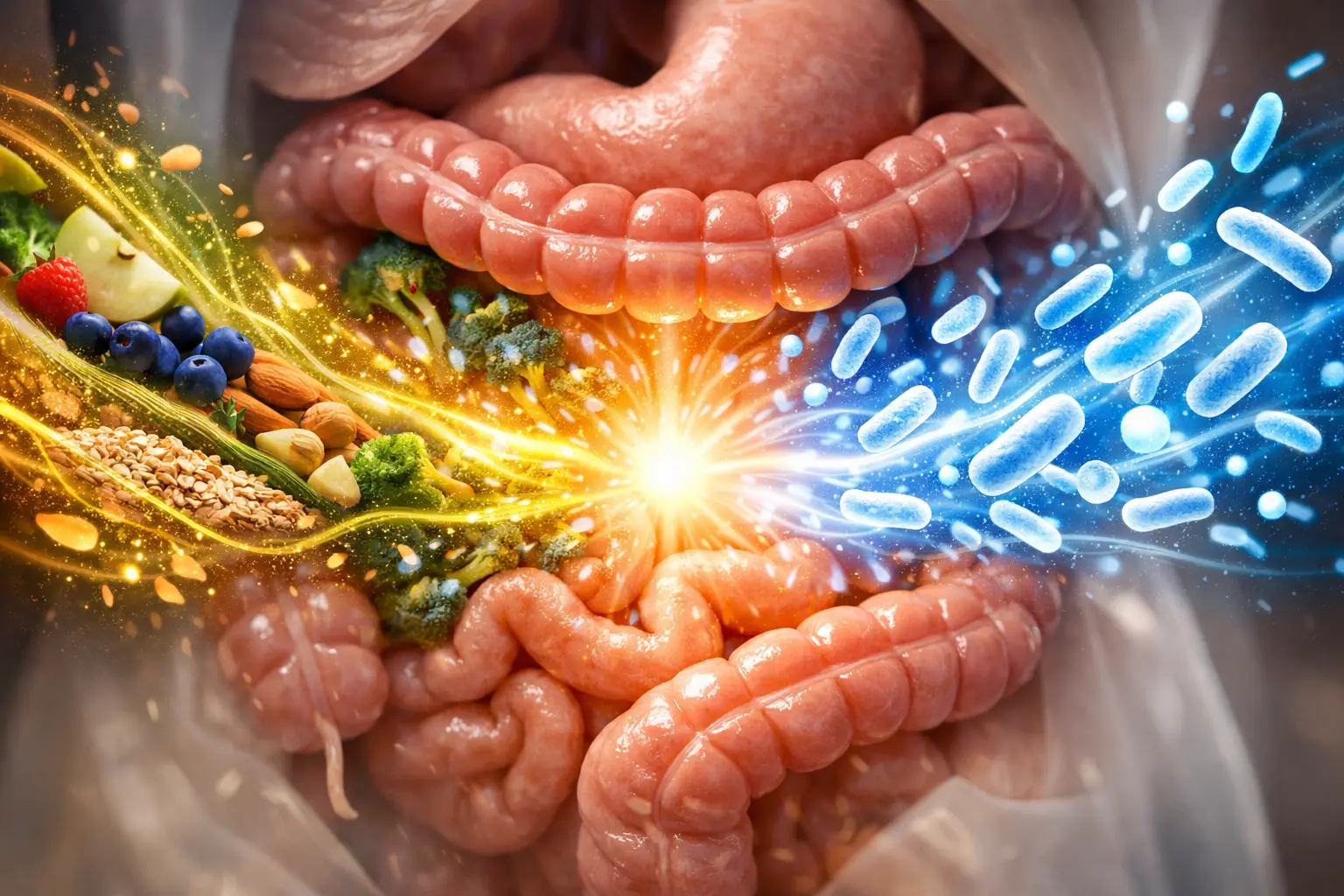
If your digestion feels off, your energy dips after meals, or your immune system seems more fragile than usual, your gut may be asking for support. When people compare Prebiotics vs. Probiotics, they often assume they do the same job. They do not. One feeds beneficial bacteria, while the other adds live strains to your gut environment.
That difference matters, especially if you want results that go beyond quick fixes. For busy professionals and health-conscious adults, understanding how both work can help you make better daily choices and get more value from a structured reset, whether at home or during a guided retreat in Phuket.
Prebiotics vs. Probiotics: What is the difference?
Probiotics are live microorganisms that may help support the balance of bacteria in your digestive system. You will usually find them in fermented foods such as yogurt, kefir, kimchi, miso, and certain functional drinks. Many people also take them as supplements.
Prebiotics are different. They are a type of fiber or plant compound that your body does not digest fully. Instead, they become food for beneficial gut bacteria. Common prebiotic sources include garlic, onions, leeks, asparagus, bananas, oats, and chicory root.
A simple way to think about Prebiotics vs. Probiotics is this: probiotics are the helpful guests, and prebiotics are the meal that helps them stay and thrive. If you only focus on one, you may miss the full picture of gut support.
Why gut health support is rarely one-size-fits-all
Not everyone responds to probiotics in the same way. Some people feel better quickly, with less bloating and more regular digestion. Others notice little change, especially if their diet is low in fiber or their stress levels remain high. That is one reason prebiotics matter so much.
The gut is influenced by what you eat, how well you sleep, your activity level, your medications, your hydration, and your stress load. A probiotic supplement cannot fully compensate for a lifestyle that keeps the digestive system under pressure.
This is where guided wellness programs often stand apart from generic wellness trends. Some retreats focus only on relaxation, spa treatments, or yoga. Those can be beneficial, especially for stress recovery. But if your goal is to transform your health, revitalize your body, and support digestion in a measurable way, a more structured program may offer stronger results.
When probiotics may help most
Probiotics can be useful after antibiotic use, during periods of digestive imbalance, or when your routine has included travel, processed foods, poor sleep, or chronic stress. They may also support bowel regularity and help maintain microbial balance during lifestyle transitions.
That said, more is not always better. Different strains do different things. A product that works well for one person may not be ideal for another. Some people with sensitive digestion can even feel more gas or bloating at first.
This is why practitioner guidance matters. A more thoughtful approach looks at symptoms, eating patterns, and tolerance rather than assuming every probiotic is automatically beneficial.
Why prebiotics deserve more attention
Prebiotics do not get the same attention as probiotics, but they play a foundational role. If beneficial bacteria do not have enough fuel, they may not grow well or stay active. In that sense, prebiotics support the environment that probiotics need.
They may also help with stool regularity, satiety, and overall digestive resilience. For adults who are trying to improve their eating habits without overcomplicating their routine, increasing prebiotic-rich foods is often one of the simplest first steps.
The trade-off is that some people, especially those with highly sensitive digestion, may need to increase prebiotic foods gradually. Too much too soon can lead to discomfort. Gentle progression usually works better than a sudden fiber overload.
Prebiotics vs. Probiotics in a retreat setting
A retreat can be an ideal place to reset gut health because it removes many of the daily obstacles that keep digestion under strain. In a destination like Phuket, the combination of digestive rest, guided meals, hydration, movement, and a calmer environment can help your body respond more effectively to nutritional support.
In structured wellness programs, probiotic and enzyme drinks may be used alongside whole-food meals and practical education. That matters because gut recovery is rarely about a single ingredient. It is about building the right conditions for your system to rebalance.
Compared with many mainstream wellness programs that lean heavily on luxury or aesthetics, a health-focused retreat model offers a more intentional path. Some yoga retreats, including newer yoga-focused offerings in the market, can be excellent for nervous system regulation and mobility. But if your main concern is digestive support, immune resilience, and a guided reset, it helps to choose a program designed around those outcomes.
How to choose what your body needs
If you are deciding between adding prebiotics, probiotics, or both, start with your current pattern. If your diet is low in plants and fiber, prebiotics may be the missing piece. If your digestion has been disrupted by antibiotics, stress, travel, or processed foods, probiotics may also be useful.
For many people, the best answer is not Prebiotics vs. Probiotics as an either-or decision. It is how to use them together in a way your body can actually tolerate. Start simple, observe your response, and avoid the temptation to stack too many products at once.
A supportive routine often includes fermented foods, fiber-rich meals, adequate water, movement, and regular sleep. If you want a faster, more focused reset, a short structured retreat may help you step away from habits that keep your gut inflamed or sluggish.
A practical reset for busy adults and retirees
For professionals who cannot commit to long wellness programs, shorter retreat formats can be appealing because they are time-efficient without feeling superficial. For retirees, a guided environment removes the need to design every meal, supplement, and schedule alone.
That is where destination-based programs can feel especially restorative. You are not just learning about gut health. You are living it for a few days in a setting that supports better decisions. Wellness Retreat Asia is one example of this structured approach, offering short-format retreats centered on detoxification, gut support, immune health, and recovery in calming destinations.
If you want to explore practitioner-led wellness education and community support, you can also visit https://www.facebook.com/iBwellnessHub/. For retreat options and program details, see https://wellnessretreatasia.com/.
The most effective gut support is rarely about chasing the trendiest supplement. It is about creating the right internal environment, then giving your body enough consistency to respond. When you understand Prebiotics vs. Probiotics clearly, you can make choices that feel less confusing and far more effective.