
Most holidays leave you rested for a day or two. Then the bloating, fatigue, poor sleep, and stress return. A functional nutrition holiday is different because it is designed to help your body recover, not just your calendar.
This guide to functional nutrition holidays is for people who want more than a spa break. If you are a busy professional, a health-conscious retiree, or simply tired of guessing your way through wellness, the right retreat can give you structure, digestive support, and a realistic reset in just a few days.
What a guide to functional nutrition holidays should help you choose
A true functional nutrition retreat is not built around indulgence with a side of yoga. It is built around how your body actually functions – digestion, energy production, inflammation, recovery, and nutrient intake. That usually means guided meals, digestive rest, hydration, movement, education, and practitioner support.
The best programs are clear about outcomes. You should know whether the retreat is focused on gut health, detox support, immunity, weight balance, or stress recovery. If everything sounds vague, it usually is.
What sets functional nutrition holidays apart
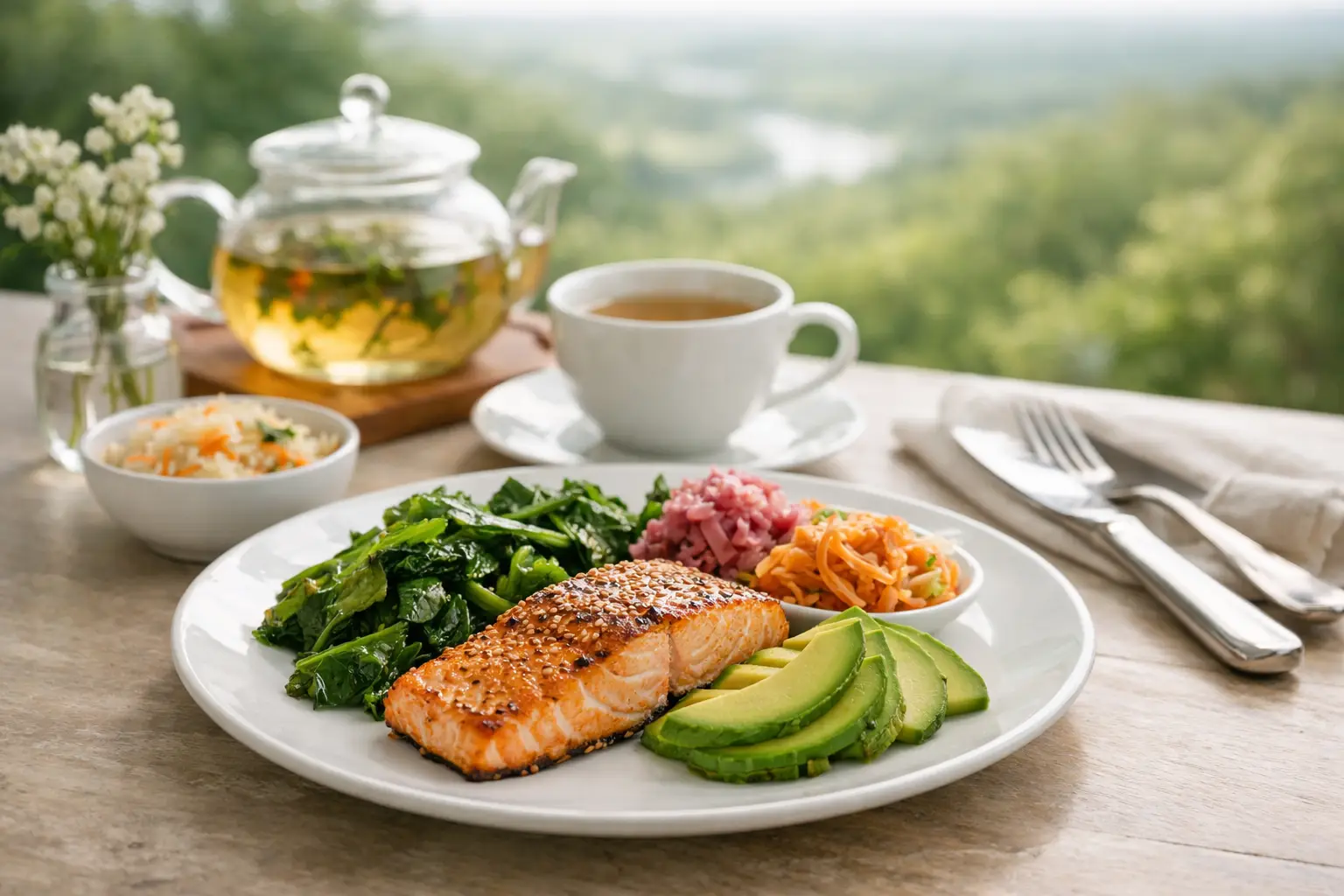
Unlike standard wellness vacations, functional nutrition holidays are structured. Meals are intentional. Drinks may include probiotic or enzyme support. The schedule often combines light fitness, workshops, rest, and health practices that work together rather than random activities chosen for entertainment.
That structure matters, especially if you do not want to plan everything yourself. Many guests come because they want expert guidance without needing to research protocols, meal timing, or supplement routines on their own.
In places like Phuket, this format works especially well. The destination gives you enough distance from work and routine, while the program gives your body a defined period to reset. You get the emotional relief of travel with the practical value of a guided health intervention.
How to evaluate a functional nutrition retreat
Start with the program length. Short retreats can be effective if they are well designed. A 4D3N reset may suit professionals who need measurable support without taking a long leave. Longer stays can be helpful for deeper recovery, but more days do not automatically mean better results.
Next, look at the retreat design. Ask whether meals are curated for digestive ease, whether there is practitioner guidance, and whether the daily schedule balances movement and rest. A retreat that promises transformation but offers little structure may feel relaxing without delivering much change.
It also helps to compare different wellness formats. Some retreats focus mainly on yoga, mindfulness, or luxury pampering. Those can be valuable, and a yoga retreat can be a strong option if your main goal is mental calm and mobility. But if your concerns are bloating, low energy, poor eating habits, or immune resilience, a functional nutrition approach is usually more targeted.
Who benefits most from functional nutrition holidays
This guide to functional nutrition holidays is especially useful for people who feel run down but not necessarily ill. You may be sleeping poorly, snacking too often, feeling heavy after meals, or relying on caffeine to function. You may also be healthy overall but know your habits need a reset.
Retirees often value these retreats for a different reason. They want preventive support, clear routines, and practical health education without the pressure of building a plan alone. The best retreats meet both needs – efficiency for busy adults and confidence for those who want guided care.
What to expect from a destination-based reset
In a well-run retreat, your environment supports the program. Calm surroundings reduce noise and decision fatigue. Scheduled wellness sessions create consistency. Nutrition becomes easier to follow because it is built into the experience rather than left to willpower.
That is why destination matters. A place like Phuket can offer warmth, privacy, and space to disengage from daily demands. When paired with a structured retreat model, the setting becomes part of the recovery process rather than just a backdrop.
Some travelers also compare provider credibility before booking. It is worth looking at how retreats present their schedule, inclusions, and wellness philosophy. Wellness Retreat Asia offers this kind of structured format with clearly packaged programs, while communities such as iB Wellness Hub can also help people stay connected to wellness education and support between retreats.
Choosing the right retreat without overcomplicating it
Keep your decision simple. Choose a retreat based on your main outcome, the level of guidance you want, and the amount of time you can realistically commit. If your goal is a full-body reset with digestive support, choose structure over variety. If your goal is reflection and movement, a yoga-led experience may be the better fit.
The right functional nutrition holiday should leave you with more than nice photos. It should help you feel lighter, clearer, and more in control of your health habits when you return home. That is what makes a retreat worth taking.