A long weekend can either disappear into errands and screen time, or it can leave you feeling lighter, clearer, and physically restored. That is why more professionals and health-conscious retirees are searching for wellness packages Singapore travelers can access without committing to a long absence from work or family.
The catch is simple. Not every wellness experience is built to improve your health. Some are spa-led and relaxing, which can be valuable. Others are fitness-heavy but leave little room for recovery. The strongest wellness packages create a guided reset with structure, education, and enough support to help you return home with better habits, not just good photos.
What to look for in wellness packages Singapore travelers actually benefit from
If your goal is real recovery, the package matters more than the marketing. A good program should tell you what the retreat is designed to improve. Stress reduction is different from digestive support. A yoga weekend is different from a detox-focused reset. Weight management, immune support, and energy restoration all need different programming.
For busy adults, the best format is often short and structured. A 4-day retreat can work well when it includes scheduled wellness sessions, functional meals, digestive support, light movement, and practitioner guidance. That structure removes decision fatigue. You do not have to figure out what to eat, when to rest, or how to build a reset plan from scratch.
Retirees often value the same clarity for a different reason. They want prevention, comfort, and expert support without extreme routines. In that case, a retreat should feel restorative rather than punishing. Accommodation quality, pacing, and the credibility of the wellness team matter just as much as the scenery.
Spa escapes vs structured wellness packages in Singapore
This is where many buyers get stuck. A luxury hotel spa package can help you relax, sleep better, and take a break from routine. If that is your only goal, it may be enough. But if you are dealing with sluggish digestion, chronic stress, low energy, or the feeling that your body needs a proper reset, relaxation alone may not go far enough.
Structured wellness packages usually include a clearer health intention. That may mean digestive rest, clean meals, probiotic and enzyme support, educational sessions, guided fitness, and time for recovery. The benefit is not just comfort. It is a more measurable intervention.
That does not mean every structured retreat is right for every person. Some programs can be too intense for beginners, especially if they rely on aggressive fasting or packed schedules. Others are so gentle that they feel like a resort stay with wellness language added on. The right choice depends on your current health, energy level, and how much guidance you want.
Why destination-based wellness works better for many professionals
A reset becomes easier when you physically leave your routine. Staying close to home can be convenient, but it also keeps you near work messages, social obligations, and familiar habits. That is one reason many Singapore-based travelers choose nearby destination retreats in places like Sabah, Seremban, or Phuket.
These locations add more than scenery. They create separation. Fresh air, quieter surroundings, and a slower pace make it easier to follow a health program consistently for several days. You are not squeezing wellness into your normal life. You are stepping into an environment designed for it.
For professionals, that matters because burnout is rarely solved by one massage or one clean meal. It takes a short period of real interruption. For retirees, destination-based wellness can feel equally rewarding because it combines health support with a comfortable change of environment.
A practical way to compare retreat options
When reviewing wellness programs in the market, look beyond broad claims like recharge, detox, or reset. Ask what is actually included. Are meals part of the package? Is there practitioner oversight? Is the program focused on gut health, fitness, stress regulation, or general relaxation? Are there scheduled dates and clear accommodation tiers, or is everything vague until inquiry?
This is where package-based retreats often stand out. Transparent pricing, defined duration, and planned programming make it easier to choose with confidence. You can compare value based on what you receive, not just on the appeal of the destination.
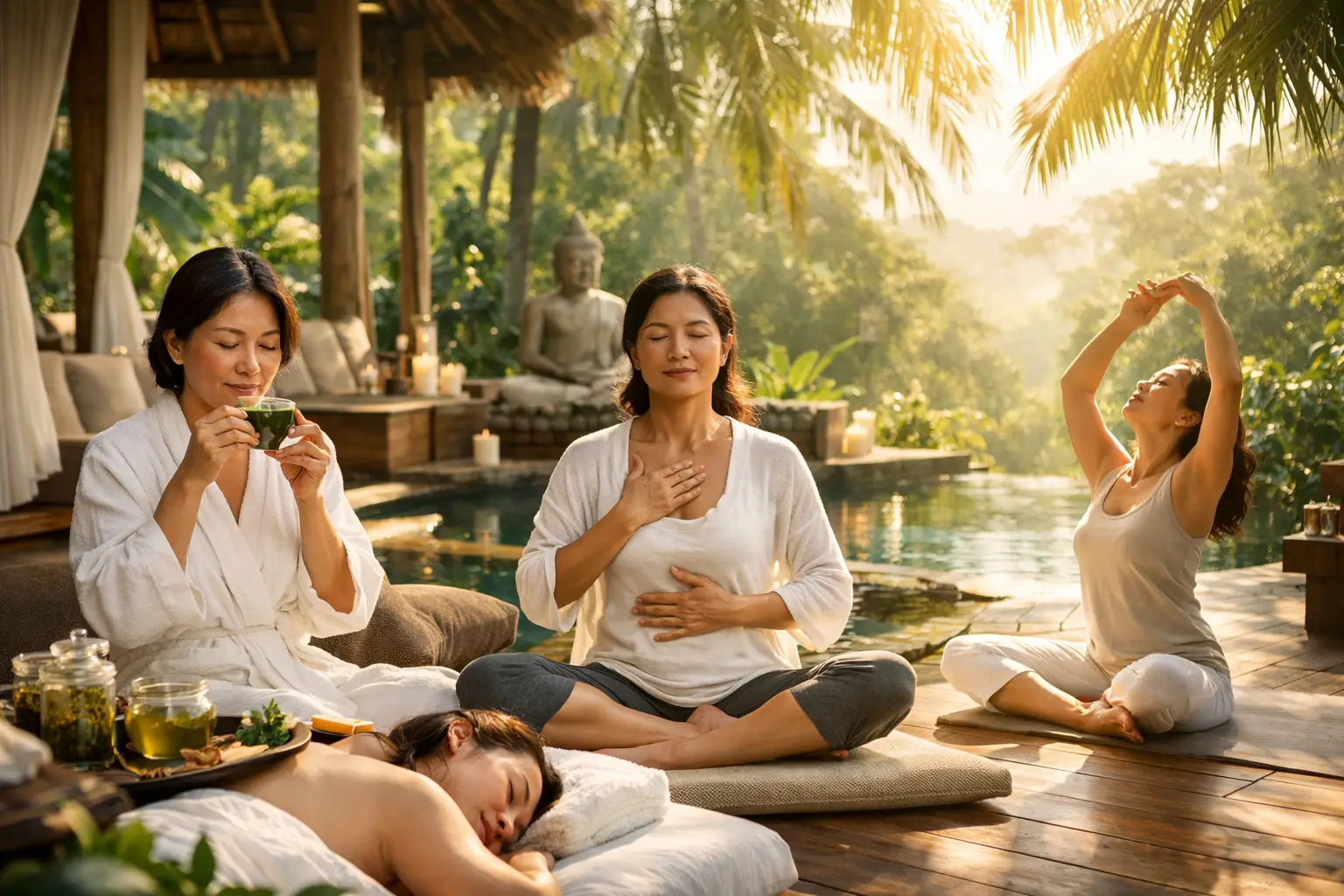
Some wellness providers focus mainly on treatments. Others emphasize classes. A more complete retreat blends several elements into one experience – nourishment, movement, education, rest, and health support. That integrated approach tends to suit people who want results but do not want to design their own program.
For example, a short wellness retreat in Sabah may appeal to someone who wants tropical calm with a clear digestive and recovery focus. A Seremban reset may feel more grounded and accessible for travelers who prefer a simpler nature-based setting. Phuket can suit guests who want a stronger resort atmosphere while still following a guided wellness schedule. The best destination is not always the most glamorous one. It is the one that matches your energy, comfort level, and health goals.
Who benefits most from wellness packages Singapore buyers consider
These programs are especially useful for people who know they need a break but want more than passive rest. That includes executives running on caffeine and poor sleep, caregivers who have spent months looking after others, and retirees who want to protect long-term vitality without piecing together advice from multiple sources.
They also suit people who feel stuck. Maybe you have tried eating better, joining a gym, or booking the occasional spa day, but nothing has created enough momentum. A retreat can act as a reset point. Not because a few days fix everything, but because a well-designed environment helps you start differently.
One example of a more guided model is the kind of short-format retreat offered by Wellness Retreat Asia, where digestive support, functional nutrition, movement, and recovery are packaged into a defined multi-day experience. That structure can be more practical than open-ended wellness travel, especially if your schedule is tight.
If you are comparing providers, it can also help to look at community-led wellness spaces and smaller operators in the region, including iB Wellness Hub, to understand the range of support styles available. Some people prefer a retreat with strong health education. Others want something softer and more lifestyle-oriented. The key is choosing a format that you can actually sustain after you return home.
How to choose without overthinking it
Start with the outcome you want most. Better digestion, improved energy, lower stress, stronger immunity support, or simply a full-body reset. Then choose a retreat length you can realistically commit to. For many people, four days is enough to create meaningful change without becoming logistically difficult.
After that, check the program design. If a package does not clearly explain what happens each day, what nutritional support is included, and who is guiding the experience, keep looking. Clarity usually reflects quality.
The best wellness packages Singapore travelers choose are not the ones with the most extras. They are the ones that help you feel cared for, guided, and noticeably better by the time you leave. When a retreat combines the right setting with real health intention, a short escape can do more than help you unwind. It can give your body the space to reset and your routine a better direction when you get home.