
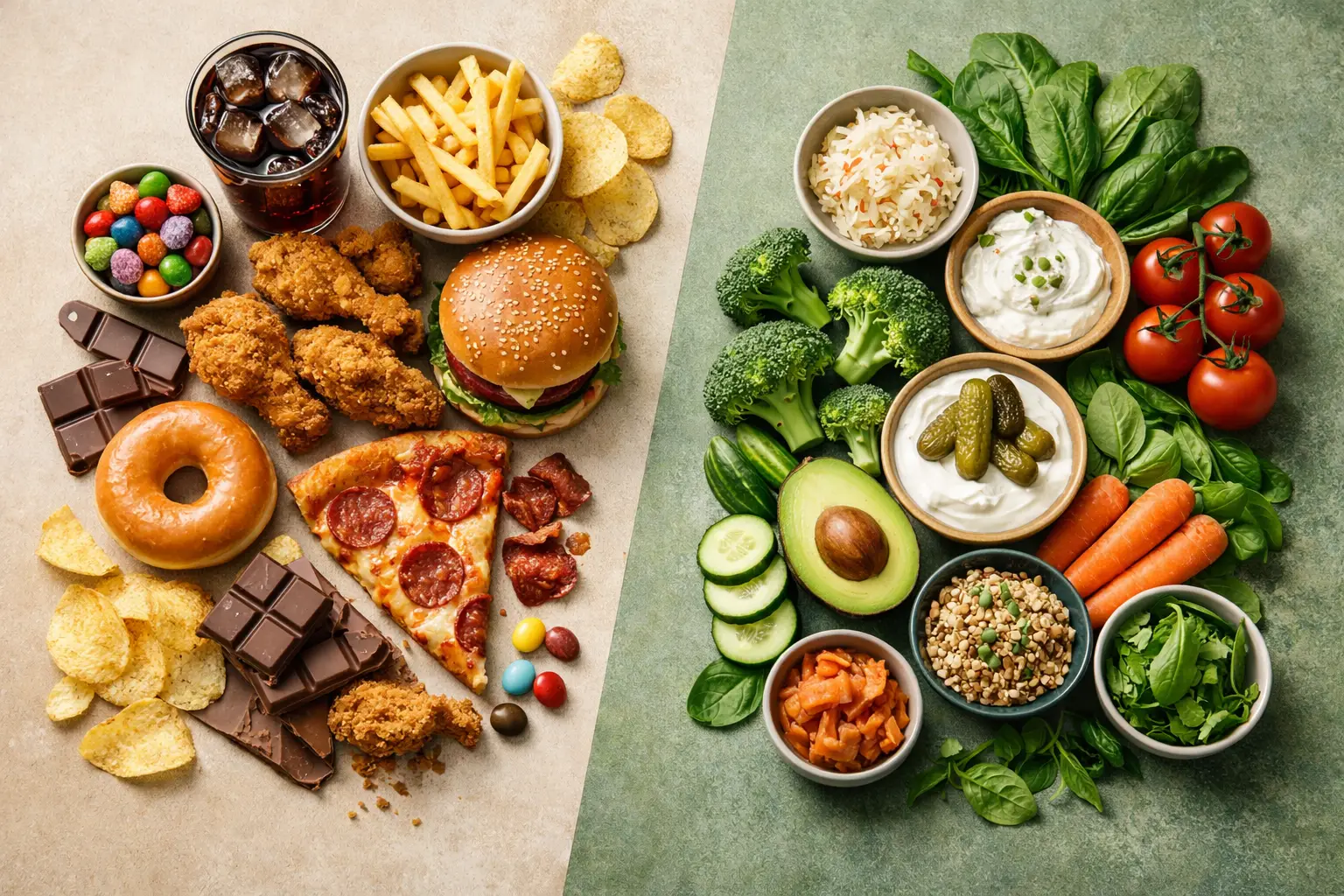
If you feel bloated, heavy, or unusually tired after meals, your gut may be reacting to more than stress alone. Some of the Worst Foods for Your Gut are common in busy lifestyles – quick breakfasts, convenient snacks, late-night takeout, and sugary drinks that slowly wear down digestion over time.
For many professionals and retirees, the problem is not one “bad” meal. It is the daily pattern. When the gut is constantly dealing with irritating foods, you may notice bloating, inconsistent bowel movements, brain fog, poor sleep, and lower energy. A short reset in a calm setting like Phuket can help, but it starts with knowing what is working against your body.
Worst Foods for Your Gut and Why They Matter
Highly processed foods are one of the biggest culprits. Chips, instant noodles, packaged pastries, and fast food often contain refined oils, additives, excess sodium, and very little fiber. That combination can disrupt the balance of beneficial gut bacteria and slow healthy digestion.
Excess sugar is another major issue. Sweetened coffee, bubble tea, desserts, and flavored yogurts can feed less helpful gut microbes and leave you dealing with bloating or energy crashes. Sugar does not affect everyone in the same way, but when intake is frequent, your digestive system usually feels the strain.
Alcohol also deserves attention. A glass now and then may be manageable for some people, but regular drinking can irritate the gut lining, affect hydration, and make acid reflux or digestive discomfort worse. If your body already feels inflamed or run down, alcohol often adds to the burden rather than helping you unwind.
Foods That Commonly Trigger Bloating and Gut Stress
Fried foods are hard on digestion because they are heavy and slow to move through the system. If you often feel overly full after eating fried chicken, fries, or greasy street food, your gut may be asking for simpler meals.
Artificial sweeteners can also be problematic. Products labeled sugar-free may sound healthier, but some sweeteners can trigger gas, bloating, or loose stools in sensitive people. This is especially true when they are consumed daily in drinks, protein bars, or diet snacks.
Spicy foods are not automatically bad, but they can aggravate people with gastritis, acid reflux, or an already irritated digestive tract. The same goes for dairy. Some people tolerate yogurt and kefir well, while milk, cream, and ice cream may lead to discomfort if lactose digestion is poor. Gut health is personal, and symptoms matter more than trends.
What to Eat Instead for a Gentler Reset
If you want to move away from the Worst Foods for Your Gut, the goal is not perfection. It is digestive relief. Start with whole, easier-to-digest meals such as steamed vegetables, fruits, oats, soups, soft proteins, and fiber-rich foods that support a healthier microbiome.
Fermented foods can help some people, especially in small amounts. Options like plain yogurt, kimchi, or cultured drinks may support beneficial bacteria, although timing and tolerance matter. During a guided wellness reset, these are often introduced more intentionally, along with digestive enzymes, hydration, and lighter meals that give the gut a chance to recover.
That is where structured retreats can be more effective than trying random detox ideas at home. Some wellness programs focus only on relaxation, while others offer a more practical gut health framework with meal planning, education, and digestive support. Wellness Retreat Asia, for example, builds short-format retreats around digestive rest, functional nutrition, and restorative routines designed for people who need real results without a long absence from work or family life.
A Smarter Gut Health Reset for Busy Adults
If your schedule has been built around convenience foods, caffeine, alcohol, and irregular meals, your gut may benefit from a complete change of environment. A short retreat in places like Sabah or Phuket can make healthy choices feel easier because the structure is already in place. You are not guessing what to eat or trying to stay disciplined in the middle of meetings and errands.
Support from wellness practitioners also matters. Communities such as iB Wellness Hub show how guided health conversations can keep people engaged and accountable as they improve their lifestyle habits. That kind of support can make a reset feel realistic, not extreme.
The best first step is often simple: remove the foods that irritate your body most, then give your digestion a calmer rhythm. When your gut feels lighter, everything else – energy, mood, immunity, and sleep – has a better chance to improve too.